
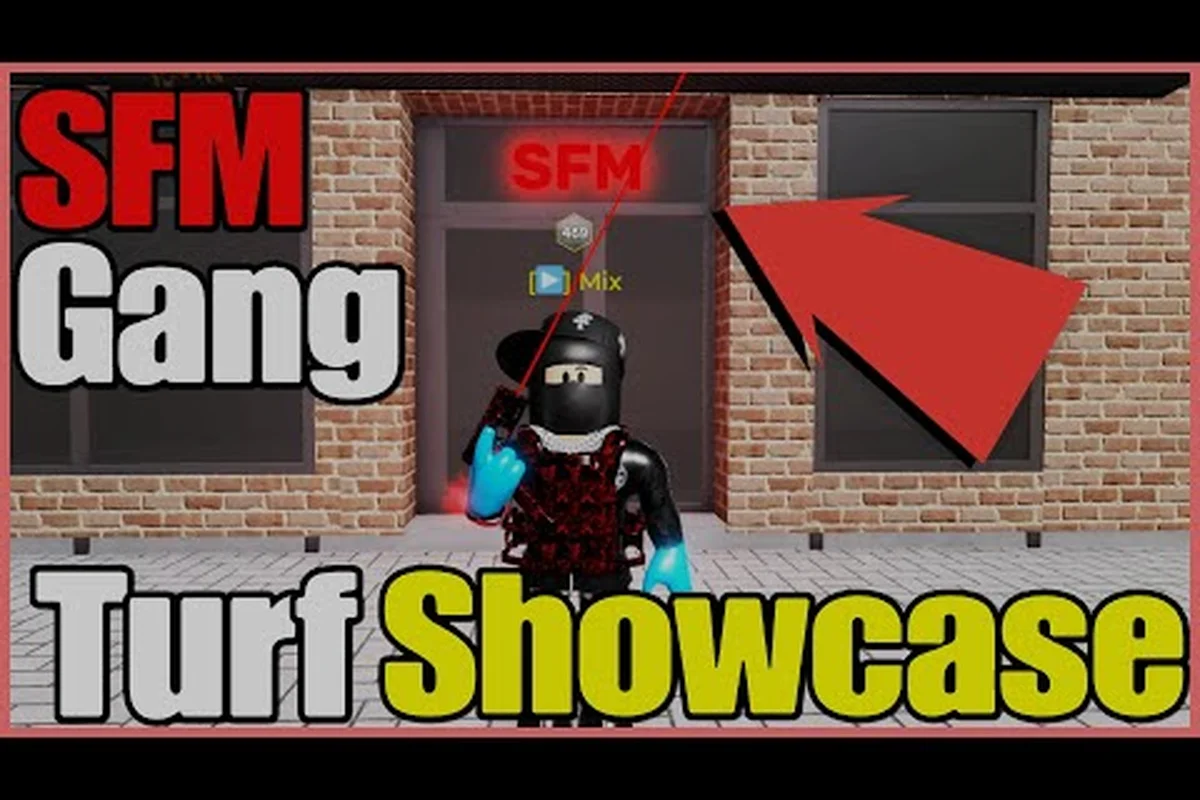
Street Life Remastered drops players into a sprawling Roblox hood where every block can flip hands if you bring the right crew. Choosing the right street gang early shapes your economy, your role in faction wars, and how the rest of the lobby sees you on sight. This guide breaks down the full street gang roster, the turf system that makes those crews matter, and the rank colors that tell the story of who controls each corner of the map.
The Major Factions You Can Join in the Hood
Street Life Remastered runs on a faction system built by flipsy's games, and as of the 2026 updates the official game page lists multiple playable gangs that drive the hood's turf economy. Each crew has its own hideout, colorway, and playstyle bias, so picking one is less about cosmetics and more about how you want to earn, fight, and claim blocks.
According to the official Street Life Remastered on Roblox listing, the hood features an open world where players can join a faction, take over turfs for prizes, and grind cash through banks, houses, and black market trades. That faction layer is what turns the game from a free-for-all shooter into a coordinated turf war, and the gang you pick decides which side of every fight you spawn into.
Core Factions You Can Rep
The current roster centers on a handful of named crews that dominate the hood's identity. Community testing suggests these gangs rotate around the same core archetypes, but each one has a distinct vibe that the lobby instantly recognizes.
| Faction | Hood Identity | Primary Strength | Best Playstyle |
|---|---|---|---|
| Street Soldiers | Veteran OG crew, runs the core blocks | Balanced combat and turf control | New players learning faction war basics |
| Block Boyz | Loud, aggressive, number-driven squad | Raw firepower and chaotic raids | Players who want constant action |
| Avenue Kings | Flashy, money-first hustlers | Cash generation and exotic car flex | Grinders who bankroll the crew |
| South Side Serpents | Quiet, defensive, territory-focused | Turf defense and patrol control | Strategic players who hold ground |
| Grove Lane Lords | Streetwise underdogs with growing turf | Fast recruitment and expansion | Players building from scratch |
These five crews anchor the faction war meta, and community reports suggest the developer flipsy's games continues to add or rework gangs as the 2026 update cycle progresses. If you want a deeper look at how each gang's rank ladder works internally, the Street Life Remastered gang system breakdown covers the full structure from recruit to leader.
How Gangs Actually Function Day-to-Day
Once you rep a faction, the game shifts from solo play into crew-based progression. Every gang on the roster shares the same baseline systems, but the crew you choose changes which bonuses, hideouts, and turf spawns feel natural to your routine. The hood rewards loyalty, and a crew that ignores its blocks quickly loses the income that keeps guns stocked and cars insured.
The day-to-day loop inside any gang breaks into four repeatable phases:
-
Recruit phase — bring new members into the crew to grow the active roster
-
Claim phase — hit unclaimed or enemy turfs during a faction war window
-
Defend phase — patrol your own blocks and repel rival crews trying to flip them
-
Cashout phase — collect turf income, bank robbery cuts, and faction reward payouts
Players who skip the defend phase often find their turfs stolen back within minutes, because the turf control system in Street Life Remastered is built around constant pressure rather than one-and-done captures. That pressure loop is what makes the street gang meta feel alive even on a quiet server.
Faction War Mechanics and How Turf Control Works
The faction war system is the heart of the gang meta. Every crew competes over a fixed set of named turfs scattered across the hood, and whoever holds a block at the end of a war window pockets the cash. Understanding how claiming turf, defending it, and flipping enemy territory works is the difference between a broke crew and one rolling in black market guns.
Street Life Remastered's faction war runs on a capture-and-hold model, meaning a turf only counts as "yours" once your crew's color paints the ground and the timer runs out without a rival pushing back. That timer is the real boss of every fight, because raw firepower means nothing if your crew cannot sit on a block long enough for the claim to stick.
Claiming Turf Step by Step
The process of claiming turf follows a predictable rhythm that veteran crews have dialed in. New players often lose fights because they skip steps and try to brute-force a capture before the system is ready to register it. Here is the loop the meta revolves around:
| Step | Action | What Happens | Common Mistake |
|---|---|---|---|
| 1 | Approach an unclaimed or enemy turf | The zone turns into a contestable area | Triggering the cap while your crew is split across the map |
| 2 | Stand inside the turf circle with your crewmates | A capture progress bar starts filling | Solo-capping without backup and getting pushed off |
| 3 | Defend the circle for the full timer | Enemy kills reset the bar by a percentage | Chasing kills instead of staying on the point |
| 4 | Timer completes uncontested | The turf flips to your gang's color and begins paying out | Leaving the block right after capture instead of patrolling |
This rhythm is the same for every crew, which is why coordinated play beats raw aim every single time. Community reports from the flipsy's games Discord repeatedly highlight that crews who assign a "capper" and a "roamer" during a claim win far more turf wars than crews who just run in as a swarm.
Turf Control Income and Why Holding Matters
Once a turf flips to your gang, it starts generating passive cash that flows into the crew wallet. That income stacks across every block your faction controls, which means a crew that holds three turfs earns roughly three times the passive payout of a crew holding one. The exact numbers shift with each 2026 update, but community testing on the current patch suggests per-turf payouts scale with the block's risk tier.
| Turf Type | Approximate Risk | Estimated Payout Tier | Best Suited Gang Archetype |
|---|---|---|---|
| Corner Store Blocks | Low | Starter cash | New crews and recruits |
| Mid-Tier Apartments | Medium | Steady mid-game income | Balanced crews like Street Soldiers |
| Bank-Adjacent Turfs | High | Premium payouts | Aggressive crews like Block Boyz |
| High-End Plaza | Very High | Top-tier rewards | Flashy crews like Avenue Kings |
| Outskirts Hood | Variable | Unstable but uncontested | Defensive crews like South Side Serpents |
Holding a turf is more lucrative than chasing new ones, because every flip puts your crew back at zero payout for that block until the next successful claim. That is why top crews rotate defenders across their existing blocks before pushing for fresh territory. If you want the full defensive playbook, the Street Life Remastered rival gangs overview walks through how enemy crews pressure your blocks and how to counter them.
Gang Hideouts, Spawns, and Map Geography
Every street gang in Street Life Remastered anchors itself to a hideout that acts as the crew's home base, respawn point, and stash. Knowing where each hideout sits on the map matters because fights often snowball toward whichever crew controls the surrounding turfs. New players who ignore hideout geography end up running across the map after every death, while veterans use spawn distance to win extended turf wars.
The hood is divided into rough neighborhoods, and each gang's hideout sits at the heart of its natural territory. As of the 2026 updates, the developer has expanded the map with new turfs and cars, but the core hideout placement has stayed consistent enough that veteran crews can navigate by muscle memory.
Hideout Locations by Faction
| Faction | Hideout Region | Nearby Turfs | Strategic Value |
|---|---|---|---|
| Street Soldiers | Central Hood | Mixed-tier blocks | Best spawn for fast-rotating defenders |
| Block Boyz | East Side Strip | High-risk bank blocks | Aggressive players who want close fights |
| Avenue Kings | North End Plaza | Premium payout turfs | Cash crews who flex on enemies from afar |
| South Side Serpents | Southern Outskirts | Defensive corner blocks | Quiet respawn for turtling crews |
| Grove Lane Lords | West Side Blocks | Growth-stage turfs | Recruits learning the claim loop |
These hideouts double as social hubs where crews plan the next faction war, and the proximity of each hideout to contestable turfs shapes how fast a gang can respond to a rival push. A crew whose hideout sits near a high-value block can defend it within seconds, while a crew based on the other side of the map has to choose between losing the turf or abandoning a distant cap.
Why Hideout Proximity Decides Faction Wars
Faction wars in Street Life Remastered often hinge on spawn distance, because the respawn timer punishes crews that respawn far from the contested block. A crew that holds a hideout two blocks away from a hot turf can re-engage in under ten seconds, while a crew spawning across the map loses the timer race every time. This is why veteran gangs fight over hideout-adjacent blocks first and only push outward once their inner ring is locked down.
Community data from active players suggests that the most successful crews in 2026 runs are the ones that build a "defense ring" around their hideout before chasing new turfs. That ring typically covers the three closest blocks and turns the hideout itself into a near-impenetrable spawn fortress. If you want a step-by-step on building that ring, the Street Life Remastered gang leader roadmap covers recruitment, perks, and how to structure a crew around hideout defense.
Gang Colors, Rank Hierarchy, and Visual Identity
Gang colors are more than cosmetics in Street Life Remastered — they are the at-a-glance language of the faction war. Every crew paints its turfs, outfits, and vehicles in a signature colorway, and the rank you hold inside a gang is shown through increasingly bold shades of that signature color. Reading those colors correctly tells you who runs the hood before a single shot is fired.
The 2026 update cycle expanded the rank ladder for most gangs, which means players now have a longer visual climb from recruit to leader. Community testing suggests the ladder runs from a base recruit color up through five or six rank tiers, with each tier unlocking new permissions, better payouts, and stronger visual presence on the map.
Rank Color Tier Breakdown
| Rank Tier | Typical Color Shade | In-Game Role | Visible Perk |
|---|---|---|---|
| Recruit | Muted base color | New member | Basic gang tag |
| Soldier | Slightly brighter shade | Active fighter | Access to crew stash |
| Lieutenant | Saturated mid-tone | Squad leader | Can recruit members |
| Captain | Bold full color | Turf defender | Can claim turf solo |
| OG | Bright glow variant | Veteran leader | Priority payout share |
| Kingpin | Gold or rare variant | Crew boss | Full crew control and stash access |
These colors show up on bandanas, tees, sneakers, and the painted turf itself, so a glance at a passing player tells you their rank and crew before you even open the scoreboard. The turf itself also shifts color the moment a claim goes through, which is how crews broadcast "this block is ours" across the entire hood without saying a word.
How Rank Colors Shape Faction War Strategy
Visual rank matters during a faction war because the lobby uses color cues to decide who to push and who to back off. A Kingpin in a gold variant is the crew's biggest payout and the prime target for rival gangs, so high-rank players often hide their rank color when running solo and only flex it when the crew is stacked. Conversely, lower-rank players use their muted shade to blend into the crowd and scout enemy positions without drawing fire.
Community reports suggest that the most effective crews rotate their visible rank between war phases, flashing high-rank colors during a turf defense to scare off solo pushers, then swapping to muted shades during a stealth claim to avoid tipping off the enemy. That kind of visual mind-game is what separates a casual crew from one that actually controls the hood. The Street Life Remastered guide to making gang signs expands on the visual identity system and how rank-specific emotes fit into that same layer of crew signaling.
Choosing the Right Crew and Next Steps
Picking a street gang in Street Life Remastered is the single most important decision you make in your first session, because the crew you rep shapes every fight, every payout, and every turf you can hold. New players who pick based on color alone often end up in a crew that does not match their playstyle, while players who match their personality to a faction's strengths tend to climb the rank ladder much faster.
The short version: aggressive players thrive in Block Boyz, grinders and hustlers dominate in Avenue Kings, defensive strategists hold ground in South Side Serpents, balanced newcomers learn fastest in Street Soldiers, and underdog builders find room to grow in Grove Lane Lords. Whichever crew you pick, the real test is whether you can claim your first turf, hold it through a defense phase, and start stacking passive income from the blocks you control.
If you are still deciding how to actually join a crew and lock in your first rank, the Street Life Remastered how to join a gang walkthrough maps out the exact steps from fresh spawn to fully repped soldier. Pair that with active play, steady turf defense, and a crew that shares your goals, and the hood's faction war becomes the most rewarding loop in the entire game.
Frequently Asked Questions
How many street gangs are in Street Life Remastered?
As of the 2026 updates, the hood runs on roughly five core named street gangs, including Street Soldiers, Block Boyz, Avenue Kings, South Side Serpents, and Grove Lane Lords. The developer flipsy's games occasionally rotates or adds crews, so the live count can shift between patches.
What is the best gang for new players in Street Life Remastered?
Street Soldiers and Grove Lane Lords are the strongest starter picks because they offer balanced combat and forgiving turf defense. New players who join either crew can learn the claim loop without being thrown into the highest-risk blocks on day one.
How does turf control actually work?
A crew claims turf by standing inside the capture circle with enough members to fill the progress bar, then defending it for the full timer against rival pushes. Once the timer completes, the block flips to your gang's color and starts paying passive cash to the crew wallet.
Can I switch gangs after joining one?
Yes, most 2026 patch versions allow players to leave a crew and join another, though there is usually a short cooldown and you may lose unclaimed stash items. Community data suggests switching mid-faction-war is risky because you lose the turf payout window you helped fund.
Do gang colors affect gameplay or just cosmetics?
Gang colors are primarily visual, but they do carry gameplay weight because they signal rank, crew, and intent before any fight starts. A rival crew reads your color shade to decide whether to push, flank, or back off, which makes color awareness a real tactical layer in faction wars.