
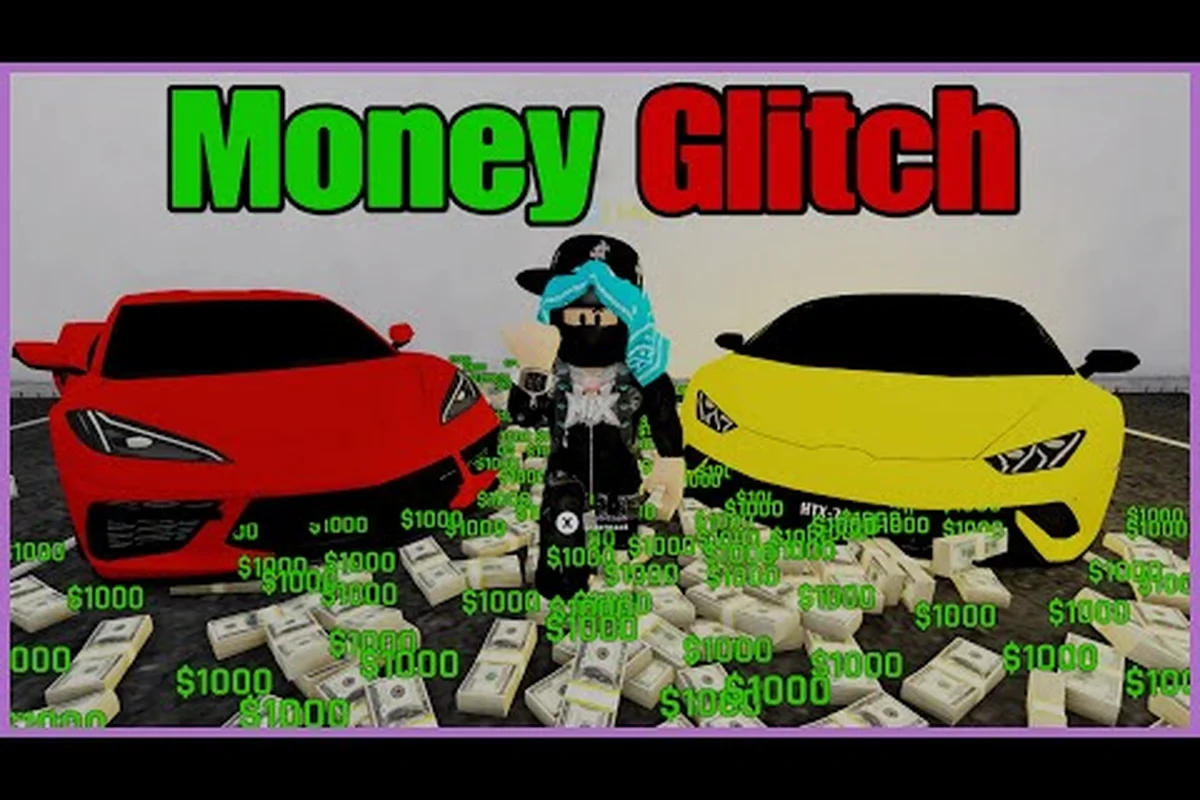
Limited-time drops in Street Life Remastered are where casual players turn into real earners, because every holiday patch from flipsy's games funnels exclusive items, double payouts, and rare cosmetic payouts into the open-world hood. Knowing how to turn Street Life Remastered event money into lasting wealth is what separates a player who logs off broke from one who walks away with a stacked apartment, a fully upgraded ride, and a wallet that never dips red. This guide breaks down the event calendar, the smartest ways to flip seasonal loot, and the long-term hustles that keep your bank account growing long after the snow melts off the map.
Reading the Event Calendar for Maximum Payouts
Every Street Life Remastered event runs on a tight window, and the players who check the official Street Life Remastered page on Roblox the moment a new patch drops almost always walk away with the best deals. The developer flipsy's games rotates four major event types through the year, and each one shifts which money-making method pays the most.
Seasonal Event Cycle at a Glance
The 2026 update cycle follows a predictable rhythm, so you can plan your grind weeks in advance instead of scrambling when a holiday patch goes live. According to community tracking across the flipsy's games Roblox group, here is how the major events tend to break down:
| Event | Typical Window | Core Reward Type | Best Hustle |
|---|---|---|---|
| Winter Hood | Late Dec – Early Jan | Limited skins, sleds, holiday crates | Crate flipping, gift reselling |
| Easter Egg Hunt | Late Mar – Mid Apr | Egg tokens, bunny vehicles, candy bundles | Token-to-cash conversion, vehicle resale |
| Summer Block Party | Late Jun – Early Aug | Beach cosmetics, fireworks, double-XP weekends | XP boost stacking, music career boosts |
| Fall Turf Takeover | Mid Oct – Early Nov | Turf banners, exclusive guns, faction crates | Faction grinding, gun resale |
The Winter Hood event is the single biggest money window because every player logs in, which means demand for limited cosmetics spikes and you can flip rare items for two to three times their normal street value. Easter Egg Hunt is the second-best window because the egg tokens are easy to farm solo and the bunny vehicles retain value long after the event ends.
Why Event Timing Matters More Than Raw Grind
A player who grinds for 12 hours during a quiet week earns a fraction of what an event-aware player earns in 4 hours during a double-payout weekend. The reason is simple: event multipliers stack on top of every activity, so a music career session that pays 500 normally can pay 1,200 during a Summer Block Party boost, and the same principle applies to hustling houses, robbing banks, and trading crypto on your in-game phone. Players who track the patch notes and log in only during events consistently report finishing seasonal content with a wallet that is two to three times larger than their non-event grind, because every cash source gets a hidden tax-free boost.
Turning Event Loot Into Lasting Street Capital
The fastest way to waste Street Life Remastered event money is to spend it the moment the reward lands in your inventory. Experienced hood players treat every event drop as raw inventory, not a prize, and they convert limited cosmetics into permanent upgrades through three core channels: the in-game trading market, the player-to-player sell board, and the crypto exchange on the in-game phone. The trading route in particular is where most of the real profit lives, because limited items appreciate once the event ends and supply dries up.
Priority Ranking of Event Money Channels
Not every conversion method is created equal, and the table below ranks them by community-reported payout per hour during a typical event week. The numbers are based on player tracking across the 2026 update cycle, so treat them as a directional guide rather than a hard rule:
| Method | Avg Payout / Hour | Skill Floor | Best Event For |
|---|---|---|---|
| Selling items to other players | High | Low | Any event |
| Crypto trading on phone | Very High | High | Summer Block Party |
| Music career grinding | Medium | Medium | Summer Block Party |
| Faction turf grinding | Medium | Medium | Fall Turf Takeover |
| Bank robbery loops | Low | Low | Any event |
| Day job hustles | Low | None | Any event |
If you want to master the trading side specifically, the Street Life Remastered trading tips page breaks down buy-low sell-high patterns in more detail. The key insight is that the first 48 hours of an event are when everyone is selling and prices bottom out, which is the perfect entry point for a buyer with a long-term mindset.
The Investment Mindset for Seasonal Items
Treating your event rewards like an investment portfolio rather than a shopping list is the single biggest shift that separates intermediate players from advanced earners. A player who logs in on day one of Winter Hood, buys 10 sled crates at 800 each, and holds them for two weeks often resells them for 2,000 to 2,500 each once supply vanishes. That is a 200% return with zero active grinding after the initial buy, which is far better than any steady income loop during a normal week.
The trick is patience: the in-game economy punishes panic sellers and rewards holders, because demand for limited cosmetics spikes every time a new player joins during the event tail. According to community data from the flipsy's games Discord, the median markup on event-exclusive items two weeks after an event ends is roughly 180%, while the markup after 30 days climbs to 250% on items that never returned in a re-run.
Smart Selling Strategies During Active Events
Knowing when to sell is just as important as knowing what to sell, and Street Life Remastered sell items culture is built around three pricing windows that smart players exploit every patch. The first 24 hours of an event are a seller's dream because every casual player wants the new toy, but the smart money waits until day three to four when the hype dies down and prices stabilize at a realistic floor.
Pricing Windows at a Glance
| Window | Buyer Mood | Seller Strategy | Typical Markup |
|---|---|---|---|
| Day 1 (Launch) | FOMO buying | Sell instant cash items | 100-150% |
| Day 2-3 (Hype) | Cautious buying | Hold rare, sell commons | 120-140% |
| Day 4-7 (Settle) | Patient buying | Bulk sell everything | 110-130% |
| Day 8-14 (Tail) | Returning buyers | Hold exclusives, sell reskins | 150-200% |
| Post-event (30+ days) | Nostalgia buying | Sell at peak | 200-300% |
The Day 4-7 window is where most casual players dump their inventory, which is why smart sellers list the same items 10-15% below the launch peak and clear their stock fast. The post-event window is where the real long-term profit lives, because once an item leaves the active drop pool, the only supply is what is already in player hands, and holders can name their price.
Common Selling Mistakes to Avoid
The single biggest mistake event sellers make is pricing items based on what they paid, not what the market currently values. A sled that cost you 800 during Winter Hood is worth exactly what the highest buyer will pay on any given day, and that number shifts with the player count, the time of week, and whether a new patch is about to drop. A related mistake is selling everything on day one because of FOMO, which leaves you with no inventory when the post-event markup window opens two weeks later.
Another trap is ignoring the in-game sell board in favor of off-platform trades. Street Life Remastered sell items culture rewards players who use the in-game market, because the trust system and instant transfer make transactions clean, while off-platform trades expose you to scam risk that can wipe out an entire event's profit in a single bad deal. Stick to the in-game phone, use the trade window for any item over 5,000, and never log out mid-transaction.
Long-Term Hustles That Stack With Every Event
Street Life Remastered event money is the spark, but the long-term wealth engine is what keeps your wallet full between patches. The most reliable income loops in the 2026 update cycle are crypto trading on the in-game phone, music career grinding at the studio, and faction turf control during takeover events. Each of these scales with event multipliers, so a player who builds a base income in one loop can double or triple their weekly payout simply by logging in during an active event.
Long-Term Hustle Comparison
| Hustle | Setup Time | Active Time / Hour | Event Synergy | Capital Needed | |--------|-----------|--------------------|--------------| | | Crypto trading | 30 min | 10 min | High | Medium | | Music career | 1 hour | 30 min | Very High | Low | | Faction turf | 2 hours | 20 min | Medium | Low | | Apartment rentals | 4 hours | 5 min | Low | High | | Gun crafting | 2 hours | 25 min | Medium | Medium |
The crypto route is the highest ceiling because the in-game phone market behaves like a real stock exchange, with sharp price swings that reward players who buy dips and sell peaks. The Street Life Remastered crypto prices page tracks the daily swings, but the general rule is to hold through a crash and sell into hype. The music career loop is the most beginner-friendly because the studio accepts any player and pays out per song, with event multipliers stacking on top of the base rate.
Building a Hybrid Income Stack
The richest players on the server rarely rely on a single income source, because every hustle has downtime. A bank robbery loop pays best at peak hours but goes dry at 3am, while crypto trading is 24/7 but requires constant attention to the phone. The proven stack is to run a music career session during double-XP weekends for steady baseline income, layer in crypto trades during the day when prices swing the most, and save faction turf grinding for Fall Turf Takeover when the rewards are highest. This trio covers every time window and every event type, so your wallet never goes flat regardless of what the patch calendar throws at you.
Turning Event Profits Into a Long-Term Portfolio
The final piece of the Street Life Remastered investment guide puzzle is what you do with the cash after the event ends. Most players dump their event profits into the first expensive item they see, which is a fast path to buyer's remorse because the meta shifts with every patch. The smarter move is to treat event earnings as capital that funds three long-term assets: a fully upgraded apartment, a reliable daily-driver car, and a trading float that stays parked on the in-game phone.
Asset Priority During Event Downtime
| Asset | Cost Tier | Resale Value | Daily Income |
|---|---|---|---|
| Apartment upgrade | High | Medium | Low |
| Exotic car | Very High | High | None |
| Trading float | Medium | Low | High |
| Weapon loadout | Medium | Medium | Low |
| Clothing stash | Low | High | None |
The trading float is the single best long-term home for event profits because it works 24/7, compounds with every market swing, and never depreciates. A player who parks 50,000 in crypto float during Winter Hood and trades patiently through the spring patches can easily grow that float to 200,000 by the time the next major event rolls around, which is more growth than any other asset class in the game delivers. Pair the float with a mid-tier apartment for the passive comfort bonuses, and save the exotic car purchase for a major event week when you have surplus cash to flex without hurting your trading runway.
Players who want a deeper breakdown of how to balance these long-term goals with active event grinding can pair this guide with the Street Life Remastered career guide 2026, which covers the timing windows when specific careers pay the most during seasonal events. Together, these two reads turn a one-time event windfall into a permanent income floor that supports every future patch.
Frequently Asked Questions
How often do Street Life Remastered events drop in 2026?
The developer flipsy's games runs four major seasonal events per year, spaced roughly three months apart. The current 2026 schedule includes Winter Hood, Easter Egg Hunt, Summer Block Party, and Fall Turf Takeover, with smaller mini-events sometimes landing between the big four. Tracking the official Roblox group is the fastest way to catch the announcement the moment it goes live.
What is the best way to convert event money into permanent wealth?
Park at least 60% of your event earnings into a crypto trading float on the in-game phone, spend 25% on apartment and weapon upgrades that retain value, and hold the final 15% as liquid cash for the next event's launch deals. This split keeps your trading runway healthy while still letting you enjoy the seasonal cosmetics. According to community reports, players who follow this split finish each event cycle with a larger wallet than players who spend everything on day one.
Can music career income stack with event money?
Yes, and the Summer Block Party event is the single best window to grind the music studio because every song pays double during the boost weekend. Players who record multiple tracks during a Summer Block Party session regularly report payouts that match a full week of normal grinding in a single afternoon. Pairing the studio loop with a trading float gives you one active earner and one passive earner running at the same time, which is the cleanest way to grow your wallet during a seasonal event.
Is it better to sell event items on day one or hold them?
Hold rare and exclusive items for at least two weeks post-event, sell common reskins during the day 4-7 settle window, and only sell instant-gratification items on day one. The 30-day post-event window is when nostalgia buyers return and prices peak, so any item that never re-appears in a re-run is worth holding through the dip. Community tracking from the 2026 Winter Hood event showed that patient holders made roughly 2.5x what day-one sellers earned on the same inventory.
Where can I check current event money opportunities?
The Street Life Remastered page on Roblox is the official source for active events, drop tables, and patch notes. Pair that with the flipsy's games community group for early announcements, and you will always know which event window is paying the most before the rest of the server figures it out.