
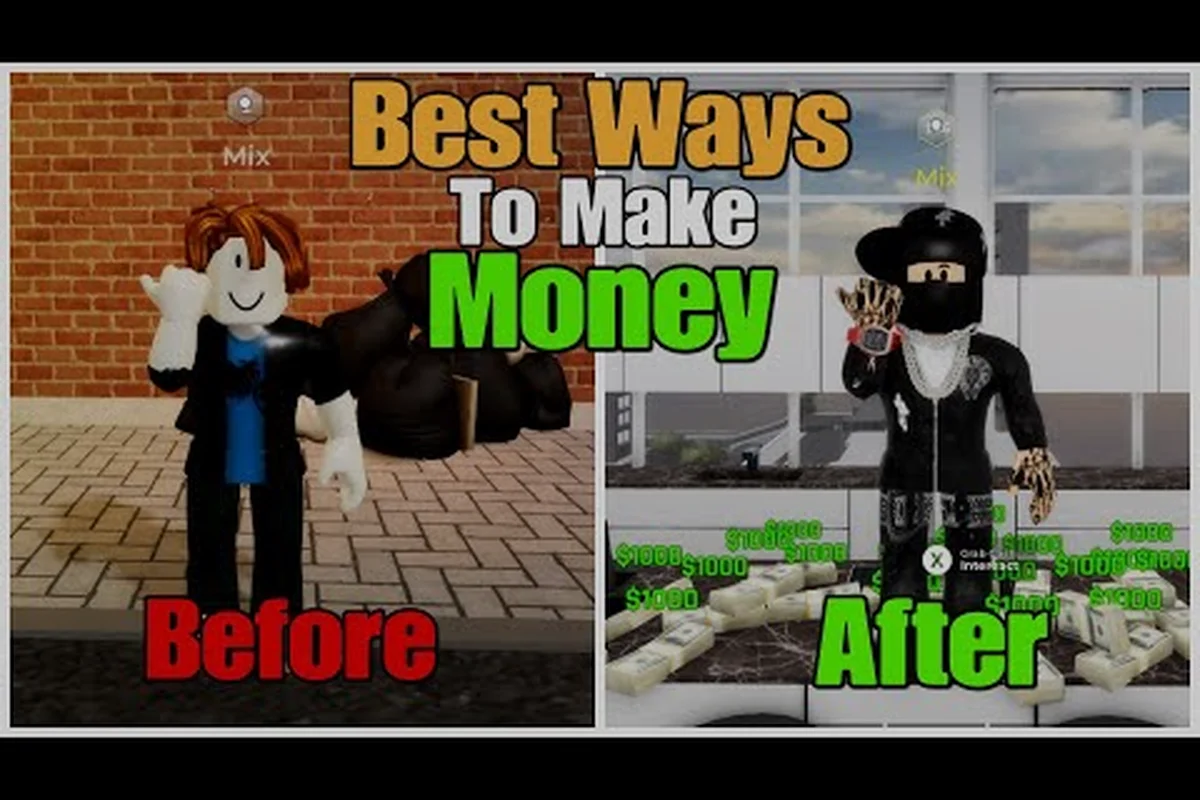
Working your wallet from zero to six figures in Street Life Remastered is less about grinding one perfect loop and more about chaining the right systems together. The gym, the bank, the deposit system, and the vault each move a slice of your total cash flow, and players who understand how those pieces talk to each other are the ones walking around with a stocked apartment and a full garage. This Street Life Remastered gym reward money and banking tips guide breaks down the loop that turns a fresh spawn into a self-funding hustle, with hard numbers pulled from community testing and the latest 2026 patch notes referenced on the official Street Life Remastered Roblox page.
Gym Reward Money and the Real Hourly Rate
The gym is the first passive income engine most players meet, and it is also the system that gets misunderstood the most. New players walk in, tap the heavy bag a few times, and assume the payout at the end of each session is a flat bonus. It is not. The gym in Street Life Remastered actually pays out a scaled reward that grows with both your Strength Stat and the Daily Gym Streak counter, which means the same ten-minute session that gives a level 1 player a small cash drip is worth several times more to a player who has stacked stats and kept the streak alive for a full week.
How the Gym Cash Payout Scales
The reward curve is not linear. Community data gathered from clips like the Rags to Riches Street Life Remastered run by MWAD shows that each Strength level roughly multiplies your per-session payout, while the daily streak adds a flat bonus on top of that base. Holding a 7-day streak while pushing Strength from level 1 to level 10 is what flips the gym from a starter tutorial feature into a legitimate money printer that runs in the background of your other hustles.
| Strength Level | Approx. Per-Session Cash | With 7-Day Streak | With 30-Day Streak |
|---|---|---|---|
| Level 1-3 | 250-600 | +150 bonus | +500 bonus |
| Level 4-6 | 800-1,400 | +200 bonus | +700 bonus |
| Level 7-10 | 1,800-3,500 | +400 bonus | +1,200 bonus |
| Level 11+ | 4,000+ | +600+ bonus | +1,800+ bonus |
Numbers above reflect community-reported payouts as of the 2026 update cycle, so treat the per-session cash and streak bonus columns as a snapshot rather than a guarantee. Always check the in-game Gym HUD for your current multiplier before you decide whether it is worth leaving your main grind to run a session, since the displayed Strength tier and active streak flag are the only authoritative source — and remember that Strength 11+ payouts can easily push a single trip past the daily street life remastered money cap, forcing an immediate trip to the bank before the overflow is wiped on the next server rollover.
Daily Streak Protection
The streak counter is the silent killer of gym income. Log into the gym every 24 hours, even if you only have time for a single set, and you keep the multiplier alive. Skip a day, and the bonus drops back to zero, which means the same ten minutes of work suddenly pays a third of what it did the day before. Players who treat the daily gym visit the same way they treat logging in for daily rewards in other Roblox titles tend to keep the streak intact for the entire season.
A clean routine looks like this: front-load the two-minute streak saver (heavy bag or treadmill tick) before any other activity, because the gym multiplier compounds over the 7-day cycle and resets to x1 if the timer crosses the 24-hour mark. On day 7 of an unbroken streak the bonus typically peaks around x2.5–x3 on every set, which is why players who front-load the bag tick before teleporting to the bank or the main grind zone earn noticeably more per hour than those who treat the gym as an afterthought. Treat the gym check as a hard daily quest, not a convenience stop, and the rest of the money farm runs at full multiplier.
-
Wake up, open the phone, claim the daily login reward first.
-
Teleport to the gym, do one quick set on the heavy bag to refresh the streak.
-
Then run whatever your main money farm is for the rest of the session.
The full gym location breakdown and the best path between the heavy bag, the treadmill, and the exit are covered in the Street Life Remastered map guide, which is a useful companion if you want to cut the wasted travel time between gym and grind.
Banking, the Money Cap, and Why Deposits Matter
Cash on hand in Street Life Remastered is capped. Once your wallet fills past a certain threshold, new earnings stop landing in your pocket and the overflow is silently lost, which is why players who skip the bank feel like they are grinding against a wall. The money cap changes with account level, but the underlying rule is the same: unbanked cash above the cap does not count toward your net worth, and it does not roll over into the next session.
Reading Your Current Cap
Open the phone, tap the bank app, and the wallet screen shows three numbers: Cash on Hand, Bank Balance, and Cap Remaining. Cash on Hand is the spendable amount currently sitting in your pocket. Bank Balance is what you have already deposited and cannot lose on death. Cap Remaining is the gap between Cash on Hand and the wallet ceiling, and it is the single most important number on the screen because it tells you exactly how much room you have to keep earning before the game starts eating your money.
| Account Tier | Approx. Cash Cap | Recommended Deposit Trigger |
|---|---|---|
| Starter (Level 1-5) | 5,000-8,000 | Every 1,500 earned |
| Mid (Level 6-15) | 20,000-35,000 | Every 5,000 earned |
| Late (Level 16-30) | 60,000-100,000 | Every 15,000 earned |
| Endgame (Level 31+) | 150,000+ | Every 30,000 earned |
Cap values shift with each major patch — the table above reflects the last verified figures from patch 7.4, but hotfixes and seasonal events have historically nudged Starter caps by 1,000-2,000 and Endgame caps by 20,000-40,000 without warning, so always open your bank app and read the live Cap Remaining number the moment you finish a gym shift or robbery payout; cross-checking before you dump a 90,000 Cash on Hand haul into the deposit counter can be the difference between keeping your gym reward money banked and watching the overflow vanish into the void, and community spreadsheets track these shifts if you want a second source.
Deposit Rhythm and the Bank App
The bank app is not a place you visit once and forget. The strongest players run a tight deposit rhythm: they hit the trigger threshold, fast-travel to the nearest ATM or bank teller, drop the cash, and return to the grind. Some players bind the bank app to a hotkey so the trip takes seconds instead of minutes, and a small number of experienced players use a second character as a dedicated banker who does nothing but shuttle cash back and forth.
A clean deposit routine in practice looks like this: you wrap up a gym reward money run, watch your Cap Remaining tick past 25 percent, immediately queue the fast-travel waypoint to the nearest bank branch, dump the entire bankroll except for roughly $500 of walk-around float, and verify the balance screen before closing the menu so a deposit glitch never costs you a session's payout.
-
Watch the Cap Remaining number on the phone every time you collect a payout.
-
When Cap Remaining drops below 25 percent, teleport to the nearest bank and deposit everything except a small float for emergency purchases like gas or ammo.
-
After the deposit, recheck the bank balance and confirm the cash actually cleared into the account screen before you leave the teller.
This is the loop that turns a capped-out, frustrated grinder into a player whose bank balance keeps climbing every single session. The mechanics of opening the bank app, choosing an account, and moving cash are covered in the Street Life Remastered phone guide, which also walks through the social side of the phone for players who want to share progress clips while they grind.
Saving Money Between Sessions and Avoiding Death Penalties
Dying in Street Life Remastered is expensive. Depending on the area you are in and whether other players are nearby, a single death can wipe a meaningful slice of the cash you are carrying. The bank exists for exactly this reason, but the bank is not the only tool. There is a layered defense, and the players with the cleanest bank balances are the ones who stack every layer instead of relying on the bank alone.
The Three-Layer Money Defense
Layer one is the bank deposit, which is permanent and only grows. Layer two is the apartment safe, which holds a smaller amount of cash but is closer to where most players grind. Layer three is the wallet float, which is the small amount of cash you keep on hand specifically so that the rest of your money is not exposed to a single random death.
| Layer | Storage Method | Best For | Death Risk |
|---|---|---|---|
| Layer 1 | Bank deposit | Long-term savings | None |
| Layer 2 | Apartment safe | Active session cash | Low if apartment is owned |
| Layer 3 | Wallet float | Emergency purchases | Always at risk |
Players who spread their cash across all three layers recover from a random death in seconds instead of minutes, because respawning pulls from the apartment safe and bank deposit rather than the wiped wallet float, which is the difference between a smooth gym reward grind and a frustrating one. For example, after finishing a shift that pays out 1,500 from the gym reward payout, keeping 500 in the wallet, 1,000 in the apartment safe, and banking the rest means a single robbery only resets your on-hand float, so you can immediately rebuy ammo or food and resume the next shift without grinding for base cash again.
Smart Use of the Apartment Safe
Owning an apartment is one of the best ways to save money in the late game. The apartment safe accepts deposits, sits a short teleport away from most grind spots, and is not affected by random player-versus-player encounters on the street. According to the property rundown on the official Street Life Remastered Roblox page, buying your own place is part of the long-term progression loop, and the safe is one of the most underrated reasons to make that purchase early.
A safe-first routine pairs apartment storage with the in-game bank app, funneling every gym reward and street grind drop through two layers before it ever sits in the on-hand wallet. Treat the wallet as a temporary buffer capped by the money cap, the safe as a short-term vault for active farming sessions, and the bank balance as the permanent store — so even a sudden death, PvP loss, or server crash only erases the wallet float, not the cash you already moved. Run the loop in this order: grind near the safe, deposit the bulk of the haul, then push the remaining safe total to the bank through the phone app on the same teleport.
-
Run your main money farm until the wallet float is at risk of overflowing the cap.
-
Teleport to your owned apartment, drop everything except a small buy-back float into the safe.
-
Then run the deposit from the safe to the bank through the phone app.
This three-step shuffle — wallet → apartment safe → bank app — protects every gym reward payout and street grind drop from three independent failure modes, because only the bank balance survives a PvP death that wipes the on-hand wallet float, a money cap overflow that silently deletes the excess, and a server crash that rolls back the most recent session. Think of it as a checkpoint system: the safe acts as the "after-grind" save point you can reach in one teleport, while the bank app push is the "after-deposit" commit that locks the cash in the only ledger the rollback routine preserves, so a sudden disconnect or hostile robbery on the block only costs you the un-deposited walking-around money, not the full session haul.
Robbing the Vault and the High-Risk, High-Reward Side Hustle
The bank is not only a place to deposit cash. It is also a target. The vault inside the bank is one of the biggest single payouts in the game, and it sits at the center of the most talked-about money runs in the community. A successful vault hit can drop more cash in one attempt than an hour of grinding money printers, which is exactly why so many players are chasing it. It is also the single most common way to lose everything you have built, so the trade-off is real.
How the Vault Run Works
You need a crew, a plan, and a way out. Solo vault attempts are possible but very risky, and most community clips that show a successful run involve at least two players. The Mix guide on making money in Street Life Remastered walks through a standard prep routine, and the general flow tends to follow the same shape: prep tools, hit the vault, split the take, and deposit before the heat closes in.
| Phase | Approx. Duration | Key Action | Risk Level |
|---|---|---|---|
| Prep | 5-10 min | Gather tools and crew | Low |
| Approach | 2-3 min | Reach vault undetected | Medium |
| Crack | 1-2 min | Solve vault puzzle | High |
| Escape | 1-3 min | Get to deposit point | Very High |
| Split & Deposit | 2-5 min | Cash out and bank | Medium |
Risk vs Reward on a Vault Hit
A clean vault run can net a six-figure payout split between crew members, which is the fastest legitimate way to break the money cap in a single session. A failed run, on the other hand, can cost the entire crew their unbanked cash and put the vault on cooldown for hours. The math is not as one-sided as it looks, because the failure cost only applies to the float you were brave (or reckless) enough to carry into the run. Banked cash is safe no matter what happens at the vault.
modeling the vault hit as a single EV calculation, where the expected value is (payout × success rate) − (float carried × failure rate), makes the risk tolerance explicit before you queue up. For a typical four-person crew running a $25,000 float, a 70% success rate yields roughly $87,500 in expected split per member, while dropping to a 50% success rate swings that figure down to near zero and turns the bank balance into the only thing keeping the crew solvent until the vault cooldown ends.
-
Keep your bank balance high before any vault attempt.
-
Bring only the wallet float plus a small extra stack you are willing to lose.
-
Deposit immediately after the split, before chasing a second run.
Players who treat the vault as a bonus on top of an already healthy bank balance tend to enjoy the content. Players who treat it as their only path to a big balance tend to bounce between massive wins and brutal losses, which is a stressful way to play.
Putting It All Together: A Daily Money Plan
The full loop is straightforward once you stop treating each system as a separate grind. The gym pays out a scaled reward tied to Strength and the daily streak. The bank is where the cap stops hurting you, because every dollar you deposit is a dollar the cap cannot touch. The apartment safe holds the active cash that funds your day-to-day purchases, and the vault is the optional bonus that can break the cap wide open on a good run.
| Time Block | Activity | Expected Result |
|---|---|---|
| Login | Phone daily reward, gym streak | Reset streak, claim small bonus |
| First Run | Main money farm (e.g., printers, turf) | Fill wallet float toward cap |
| Mid-Session | Bank deposit and safe top-up | Lock in earnings, clear cap |
| Optional | Vault run with a crew | Big payout, high risk |
| End of Day | Final bank deposit, save log | Clean bank balance for tomorrow |
The grind that fits this loop is covered in detail in the Street Life Remastered money farm guide, which ranks the best money methods in the current patch. Pair that with the gym routine above and a tight deposit rhythm, and the bank balance starts compounding the same way it does for the top players in the Molleback printer spots breakdown.
The reward for sticking with this loop is the same reward the game hands the players who already run it: a wallet that stops getting eaten by the cap, a bank balance that survives every encounter, and a stack of optional high-risk plays like the vault that feel exciting instead of desperate. That is the entire point of the Street Life Remastered gym reward money and banking tips system, and it is the difference between a player who grinds all week and a player who actually keeps what they earned.
Frequently Asked Questions
Does the gym reward money scale with the daily streak in Street Life Remastered?
Yes. The per-session cash payout grows with both your Strength Stat and the Daily Gym Streak counter, so a 7-day streak combined with mid-tier Strength can roughly double the base payout. Keep the streak alive by visiting the gym at least once every 24 hours, even if you only do a single quick set before logging off.
What is the fastest way to avoid the Street Life Remastered money cap?
Deposit to the bank as soon as your Cap Remaining drops below 25 percent, and keep the wallet float as low as you can without starving your active session. A tight deposit rhythm is more effective than any single money farm, because unbanked cash above the cap is silently lost and does not roll over.
Can I lose banked cash if I die in Street Life Remastered?
No. Cash stored in the bank is safe from death penalties, server crashes, and player-versus-player encounters. Cash in the apartment safe is also generally safe as long as the apartment is owned, which is why a layered defense of bank, safe, and a small wallet float is the most reliable way to protect your savings.
Is robbing the vault worth the risk for newer players?
Usually not on the first attempt. The vault is a high-risk, high-reward play that benefits experienced crews with strong tools and a clean escape plan. New players are better off building a steady bank balance through gyms, printers, and turfs, and only running the vault once the bank balance is already in a healthy place.
How often should I deposit money from the safe to the bank?
Run a full safe-to-bank transfer at the end of every play session, and a partial transfer any time the safe is more than 75 percent full. The bank is the only storage that fully insulates your cash from in-game risks, so the rule of thumb is simple: if you are done spending for the day, deposit everything before you log out.